BloomX Raises $13M to Put Robot Pollinators in U.S. Orchards
The Israeli agtech startup is betting that growers facing record bee die-offs will pay to have machines pollinate blueberries and avocados instead.
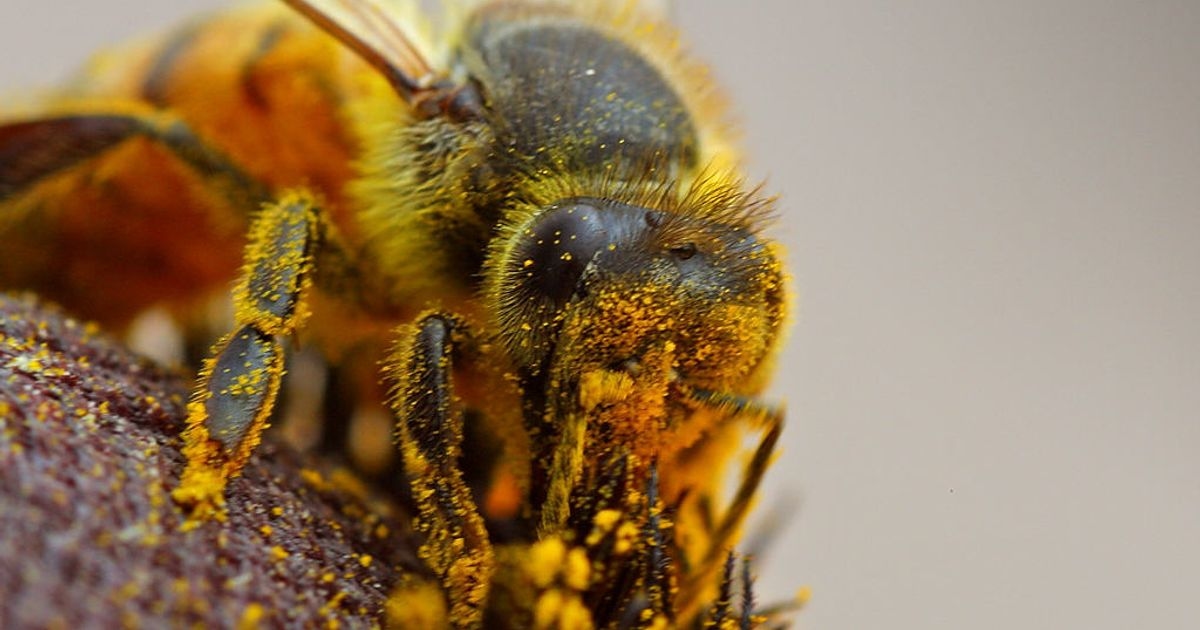
Photo: Jon Sullivan / PD Photo.org
BloomX closed a $13 million Series A on October 15, bringing its total funding to $20 million, with the money earmarked for expansion into the U.S. and additional Latin American markets. Elah Fund, an Israeli venture firm, led the round.
The company builds robotic pollination systems aimed at two crops that give bees trouble: blueberries and avocados. Both have flower structures that don't offer much reward for a foraging bee, which is part of why growers have historically needed to truck in massive numbers of hives and still come up short on fruit set. BloomX's answer is a mechanical platform, the YAHAV 2400, that uses electrostatic pollen collection paired with an app that schedules pollination runs around weather windows — cold snaps, rain, wind — that keep managed bees grounded.
The round lands as the underlying math on honeybees keeps getting worse. U.S. beekeepers reported colony losses of 55.6% for 2024-2025, according to data cited in NorCal Nectar's rundown of the crisis, with amitraz-resistant Varroa destructor mites identified as the main driver. Amitraz is one of the few miticides beekeepers have left that still works reliably, so resistance spreading through mite populations removes a tool without an obvious replacement. Agricultural economists are projecting 5-10% price increases on pollination-dependent crops this year, which is the kind of number that gets a grower's attention regardless of what they think about bee biology.
BloomX sells access to its system rather than the hardware itself, through what it calls a "Pollination-as-a-Service" model — growers pay per acre or per season instead of buying equipment outright. That structure matters for adoption. Orchard operators have been burned before by ag-tech capital costs that didn't pencil out, and a service model shifts the risk calculus closer to how growers already think about renting hives from commercial beekeepers each bloom.
On results, the company is reporting average yield increases of around 20% for growers using its systems, per the CTech report on the funding round. That number comes from BloomX itself, not from an independent trial, so it's worth treating as a vendor claim rather than a settled fact until third-party data catches up. Yield increases of that size would be meaningful for blueberry and avocado growers, where pollination deficits are a recognized yield-limiting factor in a lot of growing regions, but the agtech sector has a long history of self-reported numbers that don't survive contact with university extension trials.
What's notable here isn't the technology itself, which has been in development for several years, but the capital and geography. Moving into the U.S. market puts BloomX in direct competition with growers' existing relationship to commercial beekeeping operations, an industry that moves over a million colonies around the country each year mostly for almond pollination but also serves blueberry and other specialty crops. Robots don't need to be trucked across state lines or fed syrup through winter, but they also don't forage efficiently across an entire orchard block the way a healthy colony can when conditions are good. The pitch isn't replacement so much as insurance for the growing number of days when conditions aren't good.
Latin American expansion is the other piece of the round, though neither the company nor CTech's reporting specified which countries beyond continuing operations already underway. Avocado production in Mexico and parts of South America faces similar pollination constraints to U.S. operations, which may make it an easier sell than convincing California or Washington growers to rethink pollination contracts that have worked, however imperfectly, for decades.
Innovation Spotlight: BloomX BloomX makes the YAHAV 2400, a mechanical pollination platform combining electrostatic pollen collection with an AI-driven scheduling app. The system is built to operate in weather and timing windows that managed honeybee colonies often miss, and is currently deployed commercially in blueberry and avocado orchards through a per-acre service model. More at bloomx.ag.