
US Honeybee Colonies Lost 55.6% Last Year, the Worst Die-Off on Record
Amitraz-resistant mites are killing commercial hives faster than beekeepers can rebuild them, and almond growers are already paying more for pollination.
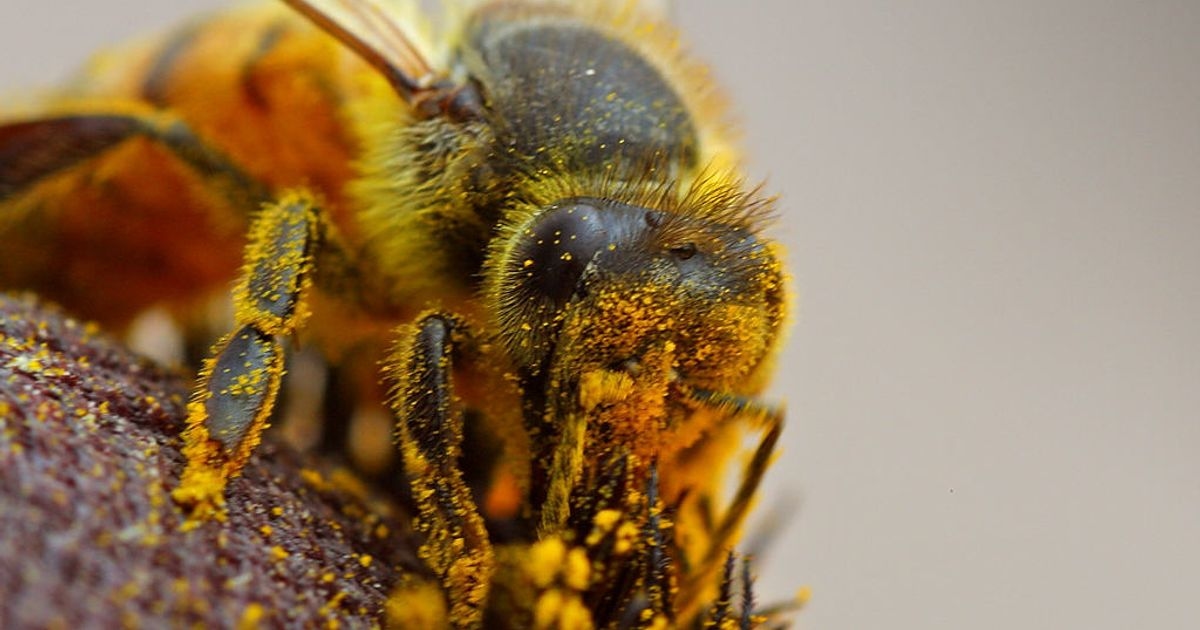
Photo: Jon Sullivan / PD Photo.org
Commercial beekeepers who manage hundreds or thousands of hives lost an average of 62% of their colonies between June 2024 and March 2025. Nationally, the number comes in at 55.6% for the 2024-2025 season, according to Norcal Nectar, which tracks the annual survey data beekeepers use to plan the next season's splits and purchases. That's a majority of the country's managed colonies gone in a single year.
The cause isn't a mystery pathogen or a new pesticide class. It's Varroa destructor, the parasitic mite that's been the industry's main adversary for two decades, except now the mites are resistant to amitraz, the miticide most beekeepers have leaned on as their last reliable chemical tool. When amitraz stops working, mite loads climb inside a hive until the colony collapses from the viral loads the mites transmit, not from starvation or pesticide drift directly. Beekeepers describe watching treatments that worked fine two years ago simply fail.
Habitat loss, sublethal pesticide exposure, and climate stress are still in the mix, compounding the mite problem rather than replacing it as the trigger. But the resistance angle is what makes this year different from the slow-bleed losses beekeepers have reported since the mid-2000s. This is acute. A tool that used to buy time stopped buying time, and there wasn't a backup ready.
Why almond growers are feeling it first
California's almond bloom is the single biggest pollination event in commercial agriculture, requiring something like 2.5 million colonies trucked in every February, more than double what any other US crop demands. When the national colony count drops by more than half, the rental market for bees tightens fast, and growers who don't already have contracts locked in are competing for a shrinking supply. Norcal Nectar reports pollination fees rose in 2025 as a direct result.
That cost doesn't stay in the almond orchard. Agricultural economists cited in the report project 5-10% price increases through 2026 on the broader basket of pollination-dependent crops: almonds, apples, blueberries, cherries, melons. None of those crops have a cheap substitute for bee pollination at commercial scale, so growers pass the higher rental fees into wholesale pricing, and that eventually shows up on grocery shelves.
For beekeepers, the math is worse than the headline number suggests. Rebuilding a lost colony means splitting a surviving hive, buying a mated queen, and feeding the new colony through buildup, all before it's strong enough to rent out for pollination again. A 62% loss rate among commercial operators means many are spending the spring rebuilding instead of hauling healthy colonies to orchards, which is exactly the labor and capital squeeze that pushes rental prices up in the first place.
There's no clean fix in sight yet. Resistance management for Varroa usually means rotating chemical classes, but the miticide pipeline for beekeeping is thin compared to row-crop pesticides, and rotating options are limited when amitraz was already the fallback after older chemicals stopped working. Some operations are leaning harder on mechanical and biological controls, like brood breaks and mite-resistant queen stock, but those methods take longer to scale than the current loss rate allows for.
Innovation Spotlight: BloomX
One way growers are hedging against tighter bee supply is by not relying on bees for every pollination window. BloomX makes the Robee and YAHAV 2400, mechanical pollination platforms designed for blueberry and avocado orchards. They use biomimetic approaches paired with an AI-powered scheduling app to time passes around weather and bloom conditions that managed bees may miss, including cold mornings, high winds, and short bloom windows.
These systems are not a replacement for honeybees at the scale of almond pollination. However, for growers facing rising rental costs and shrinking colony availability, they offer one option for filling the gaps that managed pollinators cannot cover. More at bloomx.ag.